As I sit here on this flight home from Long Beach, California and Area Code Games 2026, something dawned on me. The 2027 Draft has a chance to support a meta change in Major League Baseball in a relatively big way. As the sport shifts further and further toward left-handed hitters, so too must amateur evaluation and how playes are valued.
The 2027 Draft, while eleven months out and very much still an incomplete puzzle, has a bevy of exciting left-handed hitters on the high school side of things that should support what front offices continue to attack in amateur acquisition.
Drake Hawpe has been on the barrel all day today. Here’s 102 up the middle. Two hits on the day so far, flashing above average run times home-to-first (4.31). pic.twitter.com/SDMbzuyb4N
— Over-Slot Baseball (@OverSlot_) August 6, 2026
Back in June, Fangraphs writer Leo Morgenstern wrote an interesting piece detailing not only the accelerated success that left-handed hitters are finding in the league these days, but also the plate-appearance share they're continuining to grow. Left-handed hitters are finding just about as much success against left-handed pitchers as right-handed hittesr are. With the platoon advantage narrowing, and with the overwhelming percentage of innings pitched in baseball still be taken by right-handed arms, the need for left-handed bats is only expected to continue to surge.
Baseball doesn't lie. It's objective and less and less anecdotal. The sport adjusts. And right now, at the highest level of the sport, getting left-handed hitters more plate appearances seems to be the prerogative.
Morgenstern laid it out beautifully. Major league hitters had taken more than 48 perecnt of their plate appearances from the left side this season through the month of May, the largest jump in that rate the sport has seen in a quarter-century of tracked data. Left-handed bats aren't just playing more, either. They're outproducing right-handed hitters on a rate basis. Right-handed pitchers still account for roughly 72 percent of batters faced across the league, and last year's left-handed pitchers were historically dominant against right-handed hitters. Stack a righty-heavy pitching population on top of a righty-batter platoon disadvantage that's evaporating, and you get exactly what we're seeing. Teams are loading up on lefty bats because the math tells them to.
That's baseball. Follow the math.
A league-wide trend driven entirely by a handful of superstars is fragile. It's a headline, not signal. Strike Yordan Alvarez, Shohei Ohtani and Kyle Schwarber from the record, and if the numbers collapse back to normal, you've learned something about individual greatness but nothing about the sport itself. I don't think that's what's happening here. The data makes a point of stripping out the biggest names, and the league is still hitting lefty at the highest rate in 25 years. This is a market correcting itself, not a few outliers skewing an average. Markets that correct themselves at the major-league level pull the amateur system along behind them. Value gets identified, and every front office, area scout, and travel-ball trainer in the country starts hunting for the next version of it.
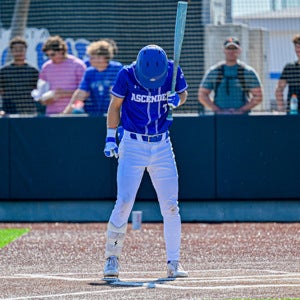
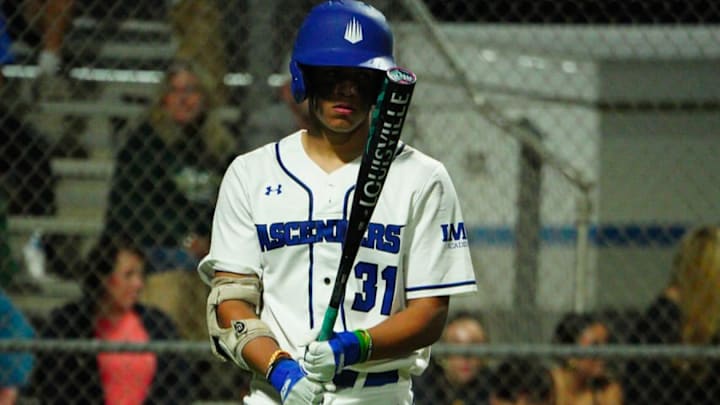
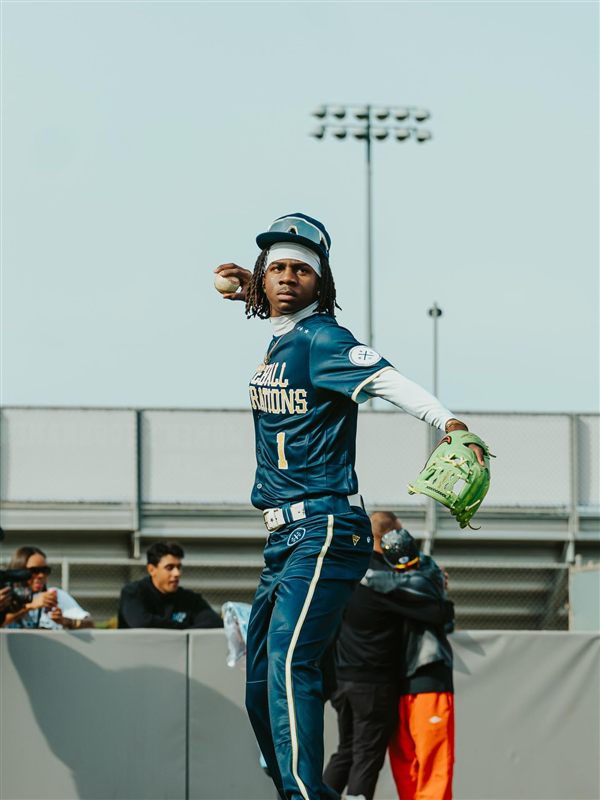
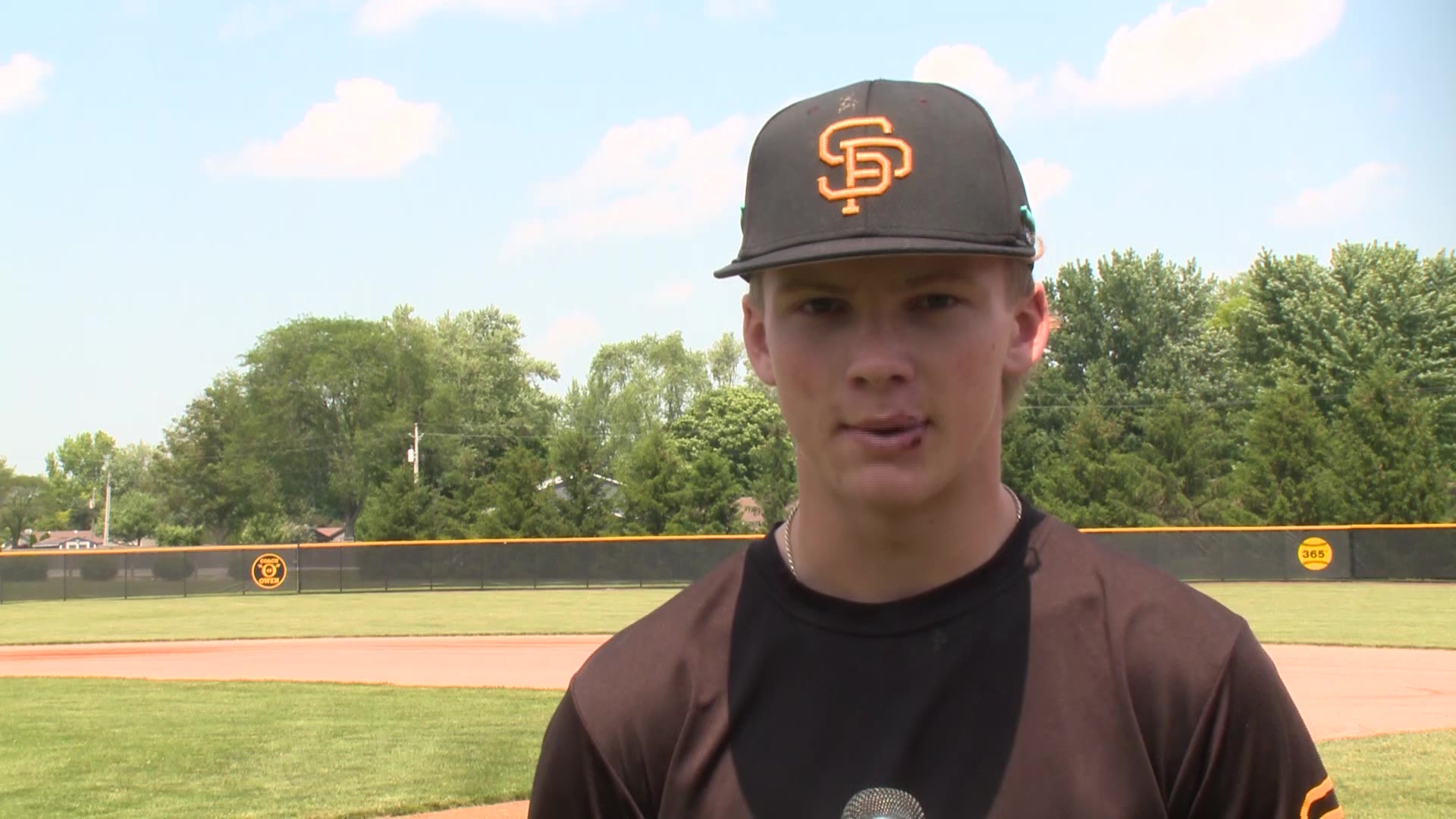
Perhaps it's coincidence. Perhaps it's the industry identifying and developing players it desires. Either way, the 2027 high school class could fill a small arena with the amount of intriguing left-handed hitters it seems to be bringing to the surface. This is one of the deeper left-handed-hitting prep classes in recent memory, at least 11 months out, and it starts at the very top of the board with switch-hitting shortstops like Norco (Calif.) product Dylan Seward, our No. 1 overall high school prospect in the class. It runs through switch-hitters like Graham Houston and Carter Hadnot, through exciting left-handed bats like Grant Westphal, Max Hemenway, and Sebastian "Sushi" Wilson, and deep into names like Isaiah Snavely, Drake Hawpe, Lubin Rincon, and Frank Thomas III. These names merely scratch the surface. It's a group that, collectively, gives this cycle a left-handed-hitting depth that isn't typically there this early on.
It's a signal worth being excited about. A sport that's producing more switch-hitters and more advanced left-handed bats at the amateur level is a sport that's seeing the pendulum continue to swing toward hitters, or at least even the playing field. Pitching staffs built entirely around right-handed depth (still the overwhelming majority of every organization in baseball) are going to have to adjust, and that adjustment is going to force better, more versatile left-handed pitching development in response. A league where the platoon advantage swings unpredictably from at-bat to at-bat, rather than being baked in by roster construction alone, is a more competitive, more watchable product.
Left-handed hitting prospects have been an emphasis in scouting departments for a while now. But it seems as though the emphasis on developing left-handed position prospects is paying dividends at the finish line.
None of this happens by accident. When I look at a high school class that's this deep at the exact demographic MLB has never valued more, I don't see a coincidence. I see an industry-wide correction that's already three generations deep, one that started with big-league front offices chasing a platoon inefficiency and has worked its way all the way down to how 14-year-olds are being coached to hit.