Why are we doing this? The ink from the weekend isn’t even dry. My fingertips are calloused. I haven’t yet wiped the sweat off my brow. Yet here I am mocking a draft that won't happen until the summer of 2027. What a gloriously pointless venture. And yet: our 2027 boards are aging like fine wine, and this 2027 group already has its headliners staked out. So let's do it.
A few ground rules. The order runs off the MLB standings from the Fourth of July weekend. A bit has changed since then, and much more figures to change with the randomization of the MLB Draft Lottery in December.
A year is a long time. Velocities tick up, bodies fill out, and arms blow out (some already have). Treat this as a snapshot, not a prophecy. We cannot be held responsible for ugly this looks 363 days from now.
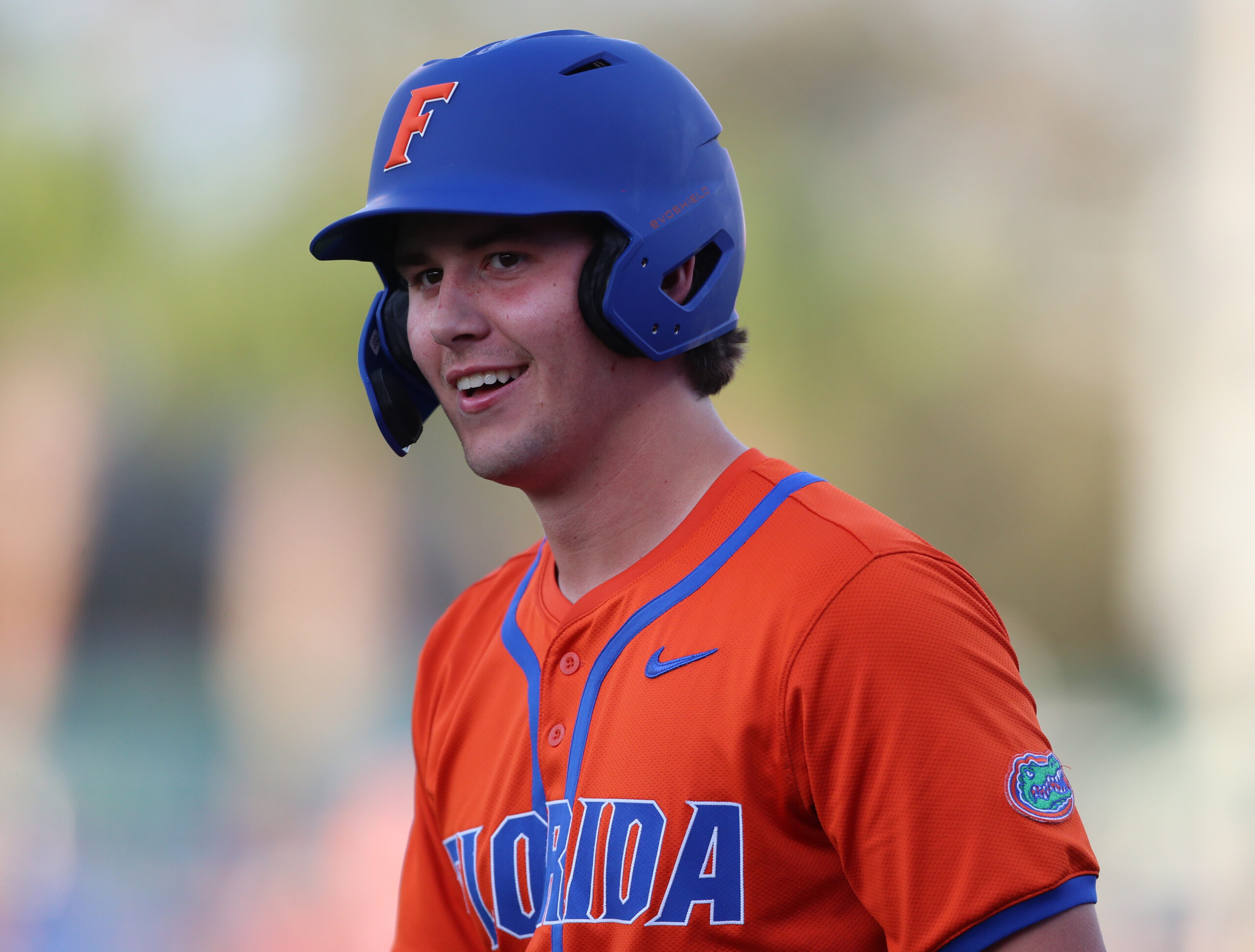
1. Royals — Brendan Lawson, SS, Florida
Brendan Lawson doesn't chase, doesn't panic, and doesn't give an at-bat away — and that's before we talk about the thump. The Canadian-born Gator ran a .312/.511/.699 line as a sophomore, posted the sixth-best on-base percentage in Florida history, and finished second in the SEC in OPS. A .511 OBP is a video-game number; pair it with 70-grade raw over-the-fence power and second or third actions and you've got a tantalizing profile. The Royals, forever hunting an offensive centerpiece, would do well acquiring this future 30-homer stick.
2. Rockies — Dax Whitney, RHP, Oregon State
Here's where the year-out disclaimer earns its keep. Before the elbow went, Dax Whitney was the 1-1 favorite in this class — a 6-5, 220-pound arm who punched out 104 in 63 innings and tied Oregon State's single-game strikeout record with 17 against Baylor. Then came the May UCL surgery, and the calculus changed. But talent like this doesn't evaporate, and Colorado has to swing for impact stuff at the top. If the rehab checks out next spring, the Rockies are buying the best pure arm in the class at a discount.
3. Angels — Dylan Seward, SS, Norco HS (Calif.)
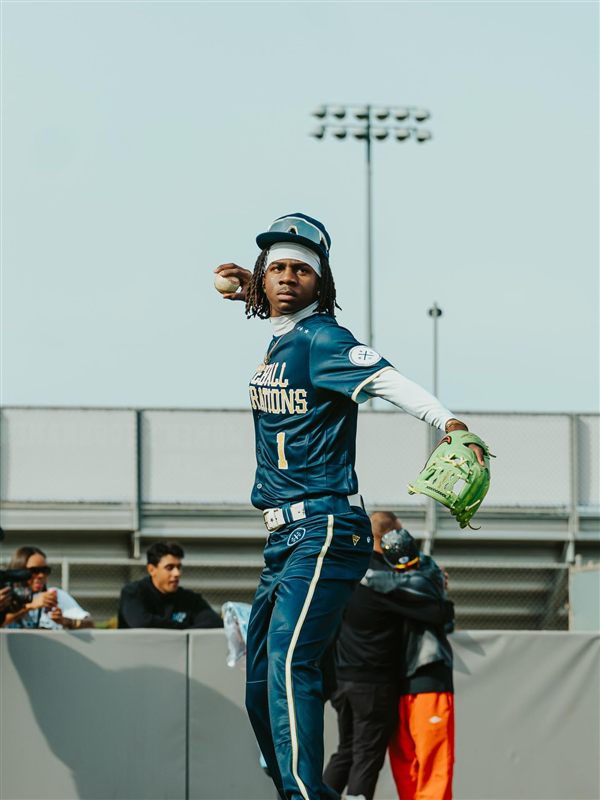
The best prep player in the class, full stop. Seward is a true shortstop, an elite runner with a plus infield arm and the kind of quick-twitch actions that don't need projecting. The Tennessee commit switch-hits with real bat speed from both sides and has already flashed above average raw power projection. Everything about the profile says it stays up the middle and it hits. Is this Francisco Lindor? The Angels of yesteryear loved an athlete they can dream on, and Seward is the most exciting high-school bet on this board. It’s time for the Angels to roll back the clock and take some shots on stars.
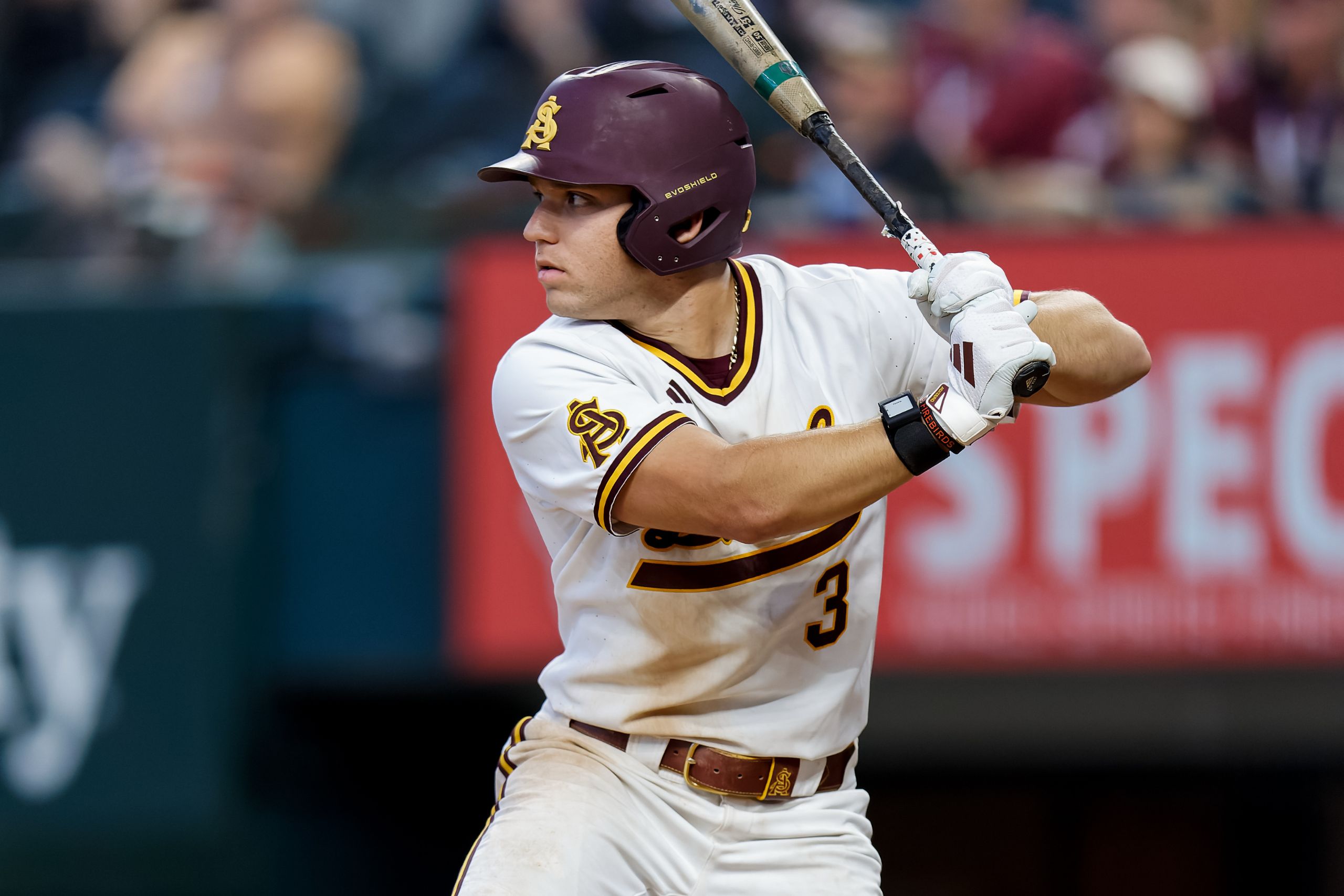
4. Mets — Landon Hairston, OF, Arizona State
authored one of the loudest offensive seasons in recent memory. A .400/.509/.860 slash with a program-record 28 homers and a nation-leading 1.438 OPS. He's a compact, quick-twitch bat with power to all fields and enough athleticism to profile in centerfield. He should get his chance to stick there as a junior. He could move quickly.
5. Tigers — Gavin Kelly, C/2B/CF, West Virginia
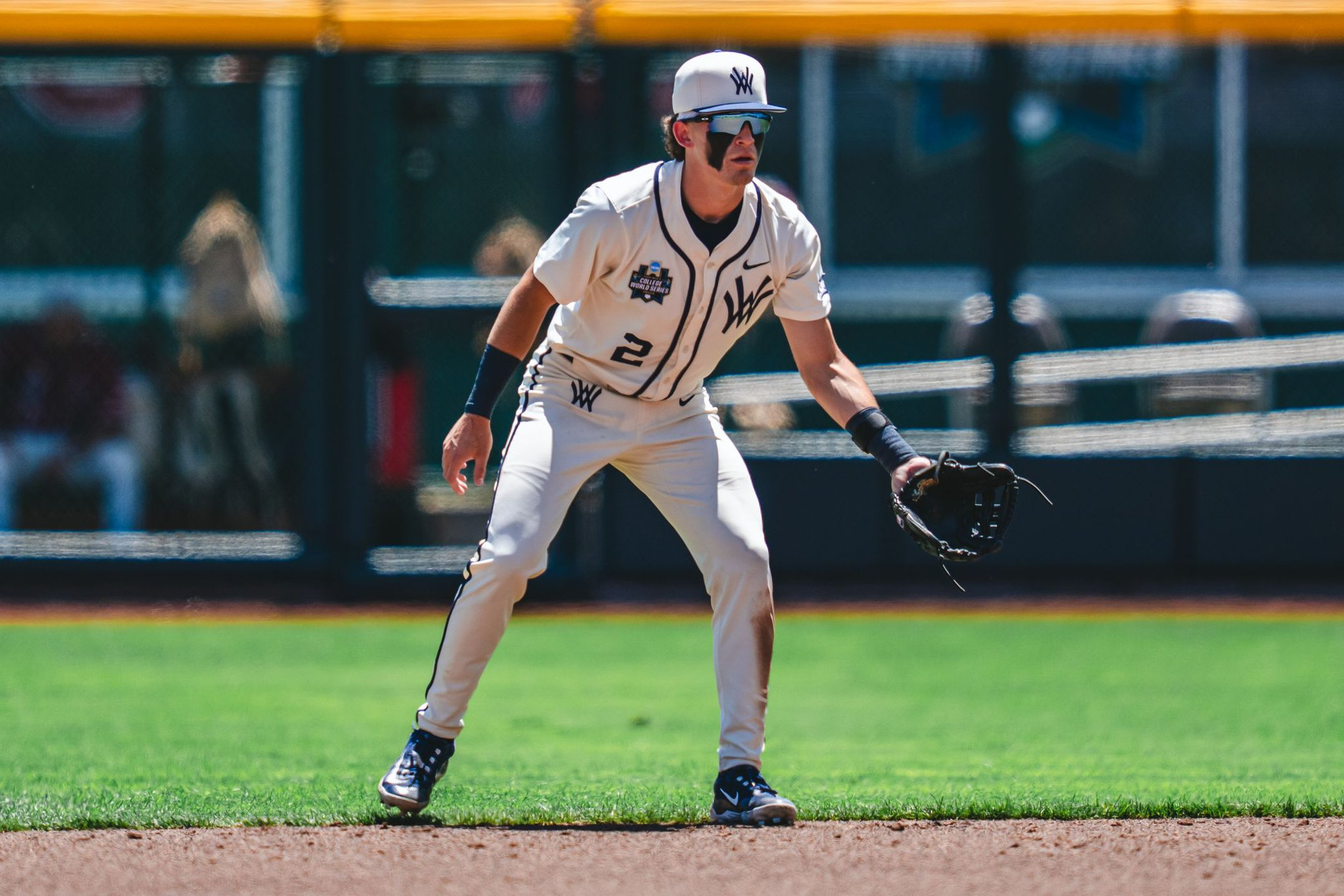
Gavin Kelly barreled everything that moved in 2026. He led all of Division I in total barrels — wire-to-wire, holding off a loaded field — while slashing .387/.481/.686 with a catcher's toolkit, second-base versatility, and the athleticism to handle centerfield as a pro. He now sits atop the college class, and if he keeps this up there's a real path to 1-1 a year from now. The bat is the carrying tool and it's special. Elite contact paired with elite quality of contact, and enough bat speed to do damage. Detroit taking the best hitter on the board is exactly the value a war room dreams about.
6. Red Sox — Trent Grindlinger, C, Tennessee
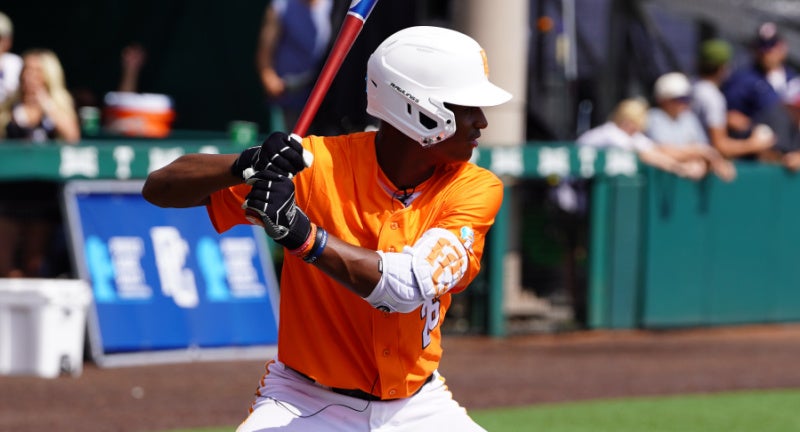
Grindlinger bet on himself, passed on the 2025 draft to get to Knoxville, and immediately hit .345 with eight bombs while climbing into the cleanup spot for a talented SEC roster. That's a loud freshman year for a 6-foot-3, 210-pound catcher, and it makes him arguably the top backstop in a draft-eligible class that's stacked with them. He's got the frame, the bat, and the arm to be a first-division regular behind the plate. Boston, always partial to advanced college bats with good data, would happily plant its catcher of the future here at six.
7. Reds — Grant Westphal, OF, Blue Valley HS (Kan.)
A projectable, left-handed-hitting outfielder out of the Kansas City suburbs, Westphal is the kind of prep bat scouts in the middle of the country have been circling for a while. The Texas commit has a smooth lefty stroke and the physical projection to grow into real power as he fills out. This is a body and a swing you dream on rather than a finished product — there's more to come. The Reds, who've leaned into upside prep bats, would be thrilled to take the swing at seven.
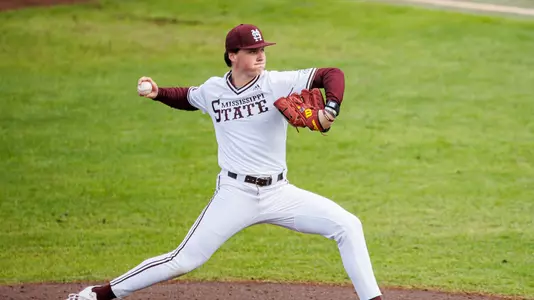
8. Athletics — Tomas Valincius, LHP, Mississippi State
A physical, 6-foot-2, 225-pound lefty who throws strikes and misses bats, Valincius spun a 3.50 ERA with 134 punchouts as a sophomore. He walked almost nobody — a 134-to-20 strikeout-to-walk ratio is a starter's calling card. The stuff plays, the command is real, and Starkville is the kind of stage that launches draft stock. The A's, who could use more pitching, would be happy to line him up at eight.
9. Orioles — Chris Levonas, RHP, Wake Forest
The Brewers popped Levonas 67th overall in 2024; he said no thanks, went to Wake Forest, and that call looks awfully smart right now. All he did as a sophomore was go 10-3 with a 2.82 ERA and 116 strikeouts in 73.1 innings, holding hitters to a .171 average and averaging 14.2 K's per nine — sixth in the nation. Consensus All-American, first-team All-ACC, and a Deacon development machine behind him. That's a frontline college starter's résumé. Baltimore hasn’t tackled pitching in the first round under Mike Elias, but Levonas fits the room at nine.
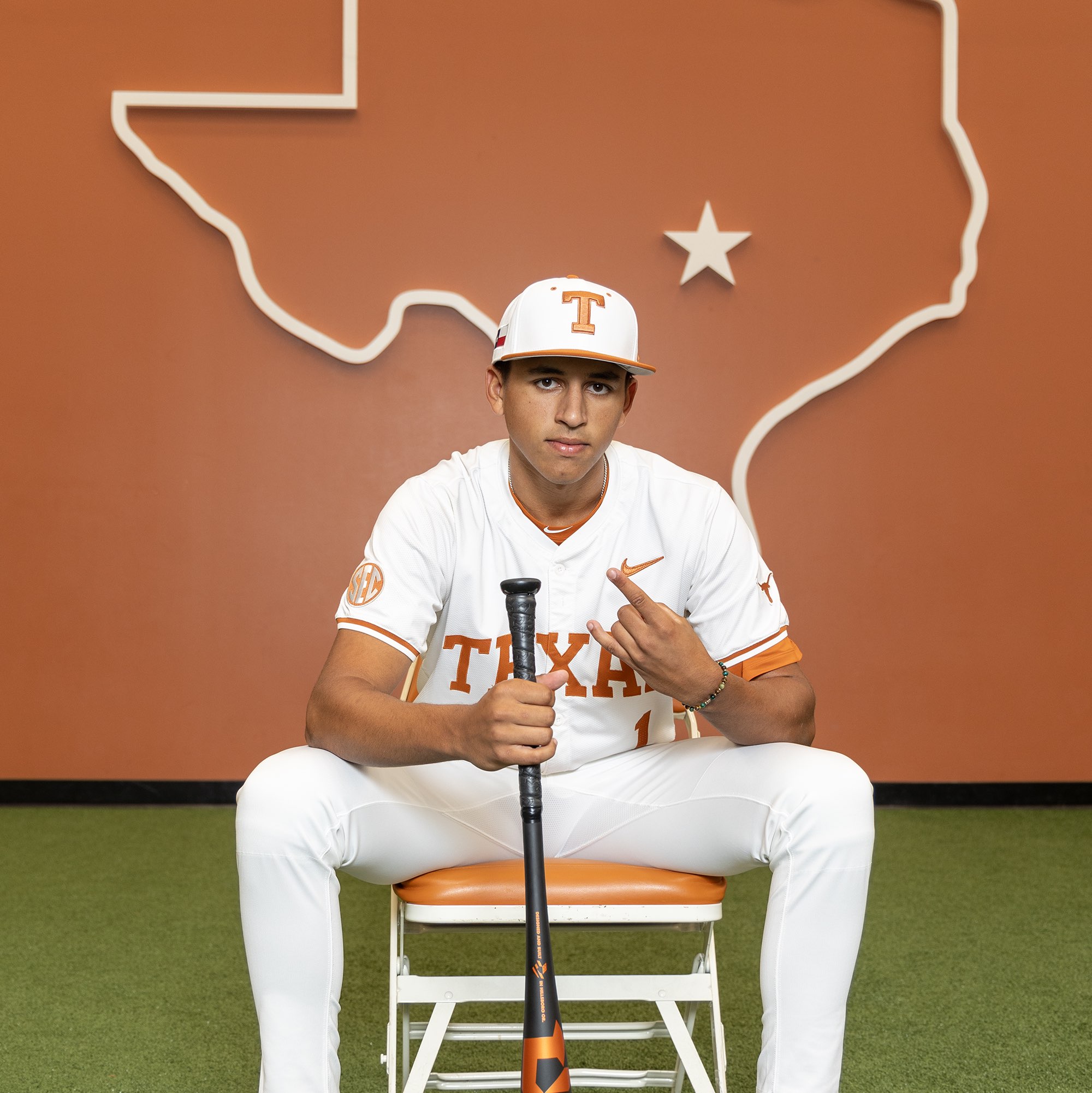
10. Giants — Adrian Rodriguez, SS, Texas
Adrian Rodriguez saved his loudest for the brightest lights — he hit for just the third cycle in College World Series history this June, torching Alabama and carrying Texas to Omaha. The sophomore shortstop is a first-round talent with a well-rounded offensive profile: he slashed .313/.410/.516 with 15 steals as a freshman and took another step in year two despite injuries slowing his climb. He can hit, he can run, and he sticks on the dirt. The Giants land a premium up-the-middle profile at ten.
11. Blue Jays — Chase Fralick, C, Auburn
Fralick set the Auburn single-season home run record for a catcher — 20 of them — while driving in 60 and slugging .662, then landed as a Buster Posey Award finalist. That's a physical, left-handed-hitting backstop with sound contact skills and burgeoning over-the-fence power, and he's caught every day since he stepped on campus. The Padres took a 20th-round flier on him out of high school; that ship has sailed. Toronto would love this profile at eleven.
12. Twins — Graham Houston, SS, Venice HS (Fla.)
A switch-hitting Florida shortstop headed to LSU, Houston is a polished, up-the-middle prep prospect with balanced tools across the board. He's not the flashiest name on the prep board, but he does everything well and has the instincts scouts trust to translate. The Twins have a type — twitchy, up-the-middle athletes — and Houston fits it to a tee at twelve. They also selected his brother, Marek, in the first round in 2025.
13. Astros — Nate Savoie, C/OF, Texas A&M
Savoie hits, and he hits with power. A freshman All-American who popped 20 as a rookie, he backed it up with 16 more homers and a .329 average at Clemson before transferring to Texas A&M for his draft year. He's a strong, 6-foot, 215-pound bat who splits time between catcher and the outfield, and the raw power and exit velocities are the real deal. Wherever he settles defensively, the bat carries the profile. Houston, always chasing thump, would take the bat and figure out the glove later.
14. Padres — Connor Salerno, LHP, Sun Valley HS (N.C.)
A big-bodied prep southpaw who's already up to 97 with a swing-and-miss power curveball. That's a lefty with present stuff, present strikes, and a projectable frame — the exact recipe teams fall in love with. He's a Mississippi State commit, so signability will be part of the conversation, but the arm talent is legit. The Padres, never shy about a live prep arm, would gladly take the upside at fourteen.
15. Pirates — Sebastian Castillo, SS, Byron Nelson HS (Texas)
A toolsy Texas shortstop with real juice in the bat, Castillo is an LSU commit who's also run it up to 92 off the mound. There's pop here that plays beyond his frame, and the infield defensive profile gives it a floor. The Pirates have leaned hard into high-upside prep talent, and Castillo is exactly that kind of swing at fifteen.
16. Diamondbacks — Striker Pence, RHP, Santiago HS (Calif.)
The name fits the fastball. Pence has run it into the triple digits. On the mound, this is premium arm talent with the kind of ceiling that makes area scouts drive across the state. The command and secondaries have to catch up, as they usually do with prep flamethrowers, but the raw material is enormous. Arizona, always willing to dream on velocity, might pounce at sixteen.
17. Nationals — Carter Hadnot, SS, Aquinas HS (Calif.)
Hadnot is a glove you can build around. He’s an athletic middle infielder with quick feet, soft hands, and a strong arm, the kind of defender who makes the routine play look boring and the tough one look easy. He's a switch-hitter with a fast stroke and barrel skills from both sides, so the bat has a chance to catch up to the defensive value. He's uncommitted, which only adds intrigue. The Nationals, rebuilding around up-the-middle talent, would love this glove at seventeen.
18. Marlins — Chase Fuller, SS, Lincoln HS (Fla.)
Loud tools, and a track record to match. Fuller has enormous tools everywhere. Oh, and he's up to 94 on the mound. The Florida State commit is a genuine nuclear talent whose right-handed bat speed and arm strength give him a half-dozen ways to profile. The Marlins have made a habit of scooping up toolsy bats, and Fuller is one of the loudest on this board at eighteen.
19. Rangers — Jimmy Janicki, C, Troy
The Sun Belt Player of the Year and one of the top college catchers in the class, Janicki slashed .343/.415/.664 with 21 homers and 87 RBIs while anchoring a Troy team that punched into the College World Series. He’s electric. It’s a bat-first backstop with real power and enough behind the plate to stick. Texas, which knows a good college catcher when it sees one, would happily take him at nineteen.
20. Guardians — Ethan Lund, LHP, Oklahoma State
Big, physical power lefties don't grow on trees, and Ethan Lund has the loudest raw stuff of the college arms on this board. He sat 94-96 and touched 97 on a cut-ride fastball, spun a downer curveball and a high-spin short slider, and racked up 137 strikeouts in 84 innings as a sophomore. The command is fringy, but there's power, there's spin, and there's shape. Cleveland's pitching factory is exactly the place to dream on the gap between this stuff and a refined strike-thrower. A no-brainer swing at twenty.
21. Cardinals — Ryan McPherson, RHP, Mississippi State
McPherson gives you the Mississippi State arm you want to bet on. He’s a sophomore righty who posted a 3.56 ERA with 51 punchouts. It's a health-dependent bet, but St. Louis has a long history of taking arms with stuff and making them better. At twenty-one, the value is right.
22. Cubs — Teddy Tokheim, 3B, Stanford
Tokheim mashed .352/.414/.704 with 17 homers and led all high-major freshmen in home runs and OPS. He’s a physical, advanced right-handed bat at the hot corner with a chance to be one of the better pure hitters in the class by next summer. The power is present, the approach is mature, and the track record is already there as a draft-eligible sophomore. The Cubs love a polished college bat with thump, and Tokheim is exactly that at twenty-two.
23. Mariners — Linkin Garcia, SS/3B, Texas
Garcia is a 6-foot-5, 220-pound infielder with smooth actions for his size. He slashed .338/.387/.489 with 21 doubles as an All-Big 12 freshman at Texas Tech before transferring to Austin, where he'll slide to third base. The frame, the hit tool, and the emerging power all point to a first-round outcome a year from now. The Mariners need some right-handed thump in their system, and Garcia is precisely that kind of player. Seattle would do well to see him fall to twenty-three.
24. Yankees — Boston Kellner, SS, Texas A&M
Kellner does the thing the Yankees love more than any other: he gets on base. The true freshman shortstop ran a .432 on-base percentage with five homers and 27 RBIs for Texas A&M before an orbital fracture ended his spring early, and he flashed strike-zone discipline and defensive chops to suggest he’ll stay on the dirt. As a draft-eligible sophomore next spring, he's got a full season to turn the on-base skills into a first-round profile. New York, which prizes plate discipline and infield defense, would love this bet at twenty-four.
25. Phillies — Julio Solier, SS, Boston College
Solier can flat-out play. He led Boston College in average (.354), hits, runs, and steals (28) as a sophomore, earned Brooks Wallace semifinalist honors as one of the best shortstops in the country, and played his way onto the USA Baseball Collegiate National Team radar. That's a hit-and-run shortstop with table-setting skills and plenty of glove to stay in the middle. The Phillies, who've had success with advanced college performers, would happily take his bat-to-ball and energy at twenty-five.
26. Braves — Blaine Brown, OF, Tennessee
At 6-foot-5, 200 pounds with a gorgeous left-handed swing, Blaine Brown looks the part and swings it like it. He hit 10 homers as a Rice freshman before transferring to Tennessee, where he's slotted into the middle of one of the sport's most feared 2027 lineups. This is big raw power, projection, and a big-league frame. It’s the kind of lefty bat that plays anywhere so long as a coat of polish comes next spring. It’s more likely Brown is either a Top 10 pick or a third rounder with the volatility on his profile, but at 26, Atlanta would have to circle his name.
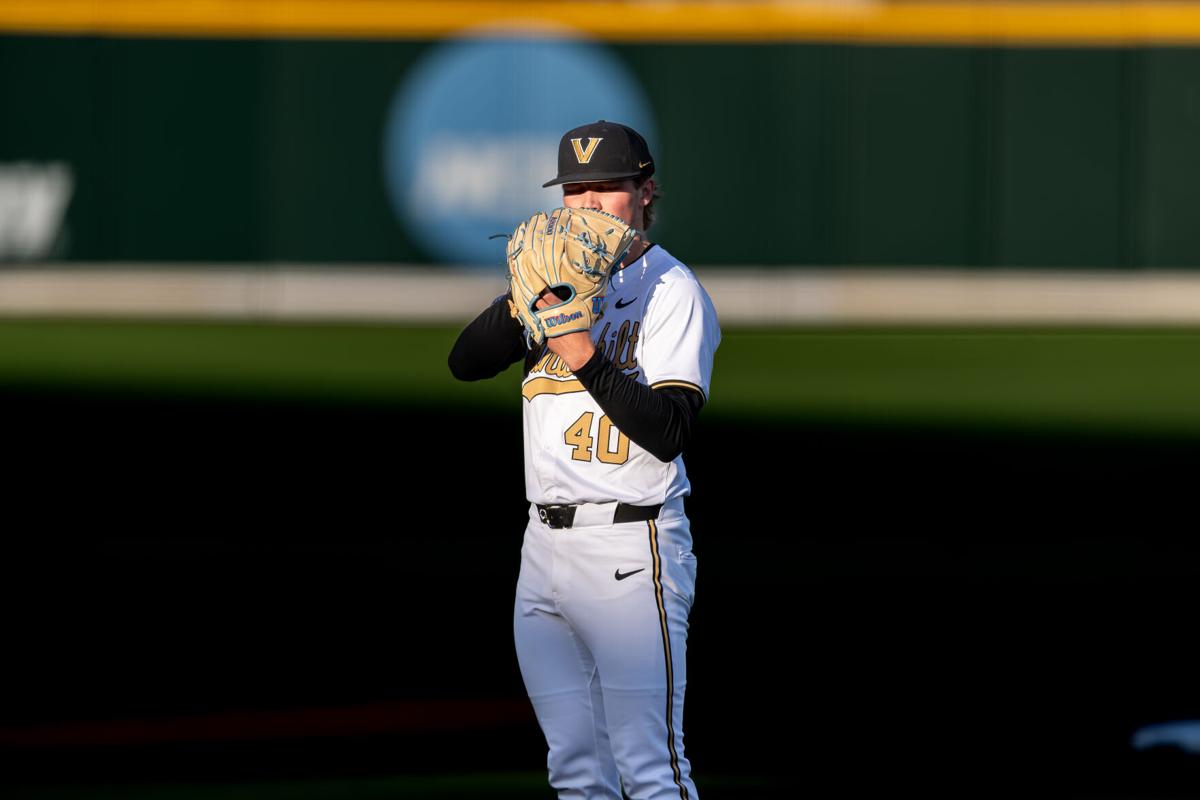
27. White Sox — Austin Nye, RHP, Vanderbilt
A Vanderbilt righty with a freshman All-America pedigree, Nye opened 2026 as the Saturday starter and ran a 0.00 ERA with 13 strikeouts across his first three starts before an arm injury ended his season. Health is the question, but when he's right, it's a strike-throwing college starter with a Commodore development track behind him and a 3.55-ERA, 58-strikeout freshman year on the ledger. At time of publish, the White Sox hold the second-best record in the American League, thus projecting them into the ALCS and the No. 27 pick.
28. Brewers — Duke Stone, RHP, Mississippi State
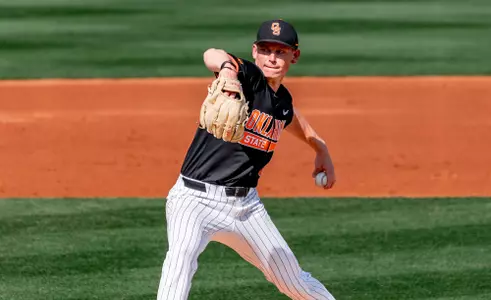
Stone is built straight out of the starter's-frame catalog. He’s a 6-foot-5 righty with a mid-90s fastball that rides at the top of the zone and elite extension to boot. He backs it with a high-spin power slider and a hard splitter in the upper 80s, plus a slower curveball to change eye levels: a genuine four-pitch mix. He stepped into a bigger role in 2026 and flashed the command and swing-and-miss of a potential dominating starter. The Brewers, who spin arms into gold, would love this profile at twenty-eight.
29. Rays — Easton Hawk, RHP, UCLA
Hawk closed for UCLA and did it emphatically — a 1.30 ERA with 71 strikeouts, sitting 94-96 with a diving 82-84 slider, and the top-ranked Big Ten prospect for 2027. There's a real conversation about whether the stuff plays up even further in a starting role, and assuming it does, this pick looks like a steal. The bat-missing is loud. The Rays see a pitcher's ceiling before most.
30. Dodgers — Jacob Seamon, OF, Metrolina Christian HS (N.C.)
Of course the Dodgers land a projectable prep bat at the end of the round. Seamon is a left-handed-hitting outfielder and LSU commit out of North Carolina. It’s a high-upside, powerful swing exactly the sort of player Los Angeles loves to take late and turn into something. There's physical projection and a pro frame. As the World Series winner picks last, the Dodgers close the first round with a ceiling most teams would kill to grab twenty picks earlier. Fitting.
That's the board — a full year out, 12 months of helium and heartbreak still to come. Check back when I've inevitably changed my mind after Christmas.